
Web Developer Salaries in eCommerce: Budget Guide
Salary & Market Data
Web Developer Salaries in eCommerce: Budget Guide
Web developer salaries in eCommerce range from around £30,000 at junior level to more than £110,000 for senior engineers in London, and the spread is wide because the work varies enormously. A developer building a Shopify Plus theme is priced very differently from one architecting a headless build or owning payment and ERP integrations. If you are a CTO, tech lead or founder preparing a developer job offer, guessing at the number is how strong candidates slip away at offer stage. This guide gives you accurate UK salary benchmarks by seniority, platform specialism and location, so you can budget with confidence before you open the role. It explains why eCommerce commands a premium over general web development, what a competitive total package looks like beyond base salary, and how to build your true cost of hire. It also flags the common budgeting mistakes that quietly cost businesses their best people. Use it to set a range that is both competitive and realistic, and to move quickly when the right person appears.
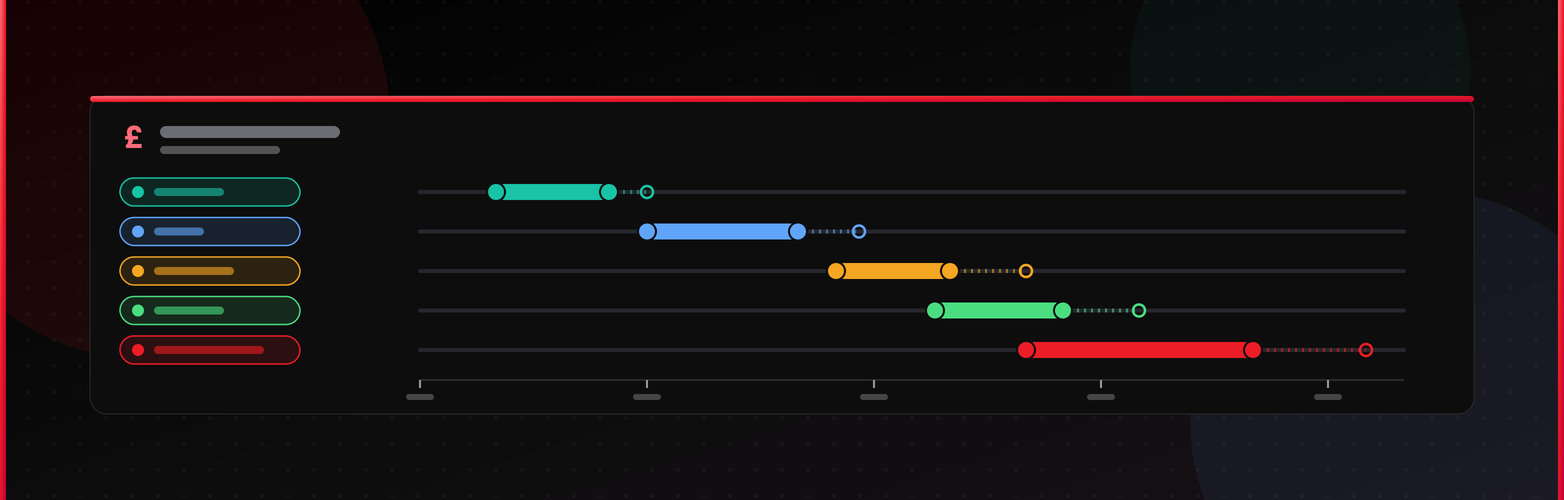
£65k
Median mid-level eCommerce developer, UK
Glassdoor UK, 2026
Median mid-level eCommerce developer, UK
Glassdoor UK, 2026
23%
London premium, senior tech roles
LinkedIn, 2026
London premium, senior tech roles
LinkedIn, 2026
£110k+
Director-level ceiling, London
Indeed UK, 2026
Director-level ceiling, London
Indeed UK, 2026
6 wks
Average time-to-hire, senior devs
REC, 2026
Average time-to-hire, senior devs
REC, 2026
Quick Answer
Web developer salaries in eCommerce range from £30,000 to £110,000 and above across the UK, depending on seniority, platform specialism, and location. Junior eCommerce developers earn £30,000 to £45,000, mid-level developers £50,000 to £70,000, and senior and lead developers £75,000 to £105,000. Platform specialists in Shopify Plus, Magento, and headless commerce command a 10 to 20 per cent premium above generalist web development rates at the same seniority.
Section 01
Why eCommerce Pays More Than General Web Dev
Many hiring managers benchmark developer salaries against general web development roles and then wonder why their offers get rejected. eCommerce is a specialist vertical, and the UK market prices it accordingly.
An eCommerce web developer does not simply build websites. They build systems where a single bug in checkout can cost a retailer thousands of pounds per hour. They work with real-time inventory, payment gateway integrations, third-party logistics APIs, and performance requirements where a one-second page load delay can reduce conversion by several per cent, according to Deloitte UK research.
That commercial pressure commands a salary premium. Developers who understand eCommerce conversion logic, platform architecture, and the downstream cost of technical debt are genuinely scarce. For a role-specific view, see our Shopify developer job description and front end developer job description guides.
ℹ
What is a headless eCommerce developer?
A headless eCommerce developer builds sites where the customer-facing frontend is decoupled from the backend commerce engine, using frameworks such as Next.js connected to platforms like Shopify or Commercetools via API. It offers greater flexibility and performance, but needs deeper expertise, reflected directly in higher salaries.
Section 02 · Pay Guide
Salary Benchmarks by Seniority
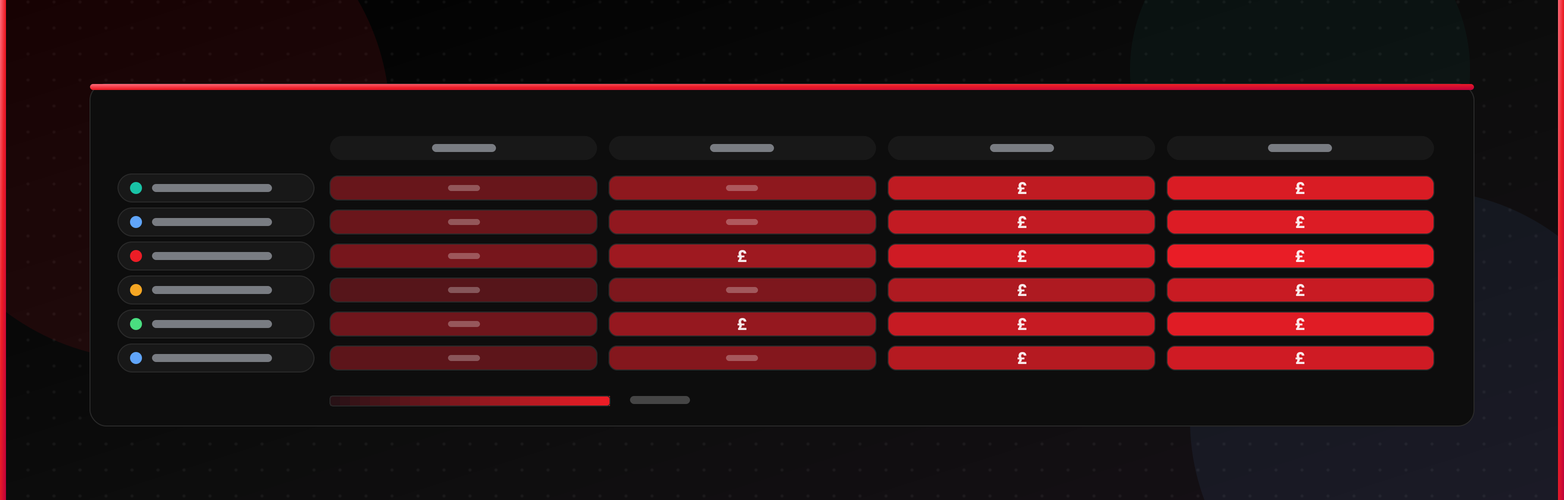
The figures below are base salary only, excluding bonus, pension, and equity. They draw on Glassdoor UK, Indeed UK and LinkedIn Talent Insights, alongside our own UK eCommerce Salary Guide. London ranges reflect a 15 to 23 per cent location premium above UK-wide equivalents.
| Seniority Level | UK-Wide | London | Experience |
|---|---|---|---|
| Junior / Graduate | £30,000 to £45,000 | £35,000 to £50,000 | 0 to 2 years |
| Mid-Level Developer | £50,000 to £70,000 | £58,000 to £78,000 | 2 to 5 years |
| Senior Developer | £75,000 to £90,000 | £85,000 to £100,000 | 5 to 9 years |
| Lead / Principal | £88,000 to £105,000 | £95,000 to £115,000 | 8+ years |
| Head of Engineering | £100,000 to £130,000 | £110,000 to £145,000 | 10+ years, leadership |
⚠
Salary compression is a real retention risk.
Many eCommerce businesses underpay mid-level developers relative to the market and lose them to better-funded competitors. If your mid-level benchmarks sit below £55,000, your retention risk is high, and the cost of replacing them will far exceed the cost of paying the market rate.
Section 03
Salary by Tech Stack and Platform
Platform specialism is the single biggest salary differentiator within eCommerce web development. A mid-level developer with proven Shopify Plus experience commands materially more than a mid-level developer who has only worked on bespoke builds.
| Platform / Stack | Mid-Level | Senior | Demand |
|---|---|---|---|
| Shopify / Shopify Plus | £55,000 to £72,000 | £80,000 to £95,000 | Very high |
| Magento / Adobe Commerce | £58,000 to £75,000 | £82,000 to £100,000 | High |
| Headless (Next.js + Shopify) | £65,000 to £85,000 | £90,000 to £115,000 | Growing fast |
| WooCommerce / WordPress | £45,000 to £60,000 | £65,000 to £80,000 | Moderate |
| Salesforce Commerce Cloud | £60,000 to £78,000 | £85,000 to £105,000 | Enterprise |
| BigCommerce | £50,000 to £65,000 | £70,000 to £88,000 | Moderate |
✅
Headless is the fastest-growing salary bracket in eCommerce tech.
Developers combining React or Next.js with Shopify Storefront API knowledge are in very short supply. If your roadmap includes a headless migration in the next 12 months, budget at the top of the range and start your search three to four months early.
As the team at Elite X Recruit, UK eCommerce recruitment specialists, put it: “The market for Magento developers has tightened considerably as Adobe Commerce has grown in enterprise adoption. If you are hiring a certified Magento developer at senior level, expect to pay at the top of the range and move quickly. These candidates typically have two or three active conversations at any one time.”
Section 04
London Versus UK-Wide Pay
The London salary premium for eCommerce developers sits between 15 and 23 per cent above equivalent roles in other UK cities, according to LinkedIn Talent Insights. Remote and hybrid working has complicated this picture significantly for hiring managers setting budgets.
ℹ
Remote salary policy matters more than most CTOs realise.
Candidates consistently rank clarity on remote salary policy as a top-three factor when evaluating an offer. Ambiguity costs you candidates at offer stage, the worst possible point to lose them. State your policy plainly in the advert.
Section 05
Beyond Base Salary: The Full Package
1
Pension contribution
The statutory 3 per cent no longer impresses senior candidates. Competitive eCommerce businesses offer 5 to 8 per cent, a low-cost differentiator experienced developers weigh heavily.
2
Professional development budget
A training and conference budget of £1,500 to £3,000 a year is standard for mid to senior developers. Shopify Plus and Adobe Commerce certifications cost money, and candidates expect employers to match their commitment.
3
Equity or profit share
For scale-ups, EMI share options are an increasingly important tool. A modest grant can bridge a £5,000 to £10,000 gap in base salary for candidates who believe in the trajectory.
4
Genuine flexible working
Hybrid flexibility is table stakes, not a benefit. What differentiates is quality: genuine autonomy over hours, not just location. CTOs who trust their developers attract and keep better people.
5
Annual performance bonus
A structured bonus of 10 to 20 per cent of base, linked to clear technical or commercial KPIs, is competitive at mid to senior level. Discretionary bonuses with no criteria are viewed sceptically.
Section 06 · Playbook
The Budgeting Framework for CTOs
Before you open a developer role, you need a budget framework that accounts for the total cost of hire, not just base salary. This three-step approach prevents the most common mistakes.
Step 1: Define the role before setting the budget
The biggest mistake is setting the budget before defining the role. A vague brief produces a vague range that either attracts the wrong candidates or gets rejected at offer stage. Decide which platform specialism is essential versus trainable, whether the role is front-end, back-end or full-stack, and whether it involves mentoring. Each variable shifts the range by £5,000 to £15,000.
Step 2: Build the total cost of hire
| Cost Component | Typical Range |
|---|---|
| Base salary | Market rate (see tables above) |
| Employer NI | Around 13.8% of salary above threshold |
| Employer pension | 3% to 8% (competitive minimum 5%) |
| Recruitment fee | 15% to 20% of base salary |
| Equipment and onboarding | £1,500 to £3,500 |
| Training and development | £1,500 to £3,000 per year |
Step 3: Set your offer range with a clear ceiling
Go into every offer conversation with a defined ceiling, not just a starting point. Experienced candidates will push back on a first offer. A practical approach: set your ideal offer at 80 per cent of your ceiling. That gives you negotiating room, and headroom for a year-one review without breaching budget.
✅
Validate your budget before advertising.
A five-minute conversation with an eCommerce developer recruitment specialist tells you immediately whether your range is competitive for the current UK market, and costs nothing.
Section 07 · Red Flags
Red Flags When Scoping a Hire
These are the mistakes that consistently cost eCommerce businesses their best candidates. Recognising them early saves months of wasted process and significant re-recruitment cost.
⚠
Benchmarking against last year’s hires
The market moves quickly. A salary that was competitive 18 months ago may sit £10,000 to £15,000 below market today. Check live data before you open the role.
⚠
Publishing a wide range to pay the bottom
Advertising £50,000 to £80,000 with intent to hire at £52,000 destroys trust at offer stage. Strong candidates see through it and your employer brand takes the hit.
⚠
Requiring five platforms when you use one
Asking for Shopify, Magento, Salesforce Commerce Cloud and WooCommerce at once signals a copy-paste job description. Strong candidates dismiss it immediately.
⚠
Ignoring contractor day-rate equivalents
Senior eCommerce developers who contract charge £450 to £750 per day. If your permanent offer sits well below the day-rate equivalent, you need strong non-salary incentives to close the gap.
⚠
The cost of a bad hire exceeds the cost of a slow hire.
The Recruitment and Employment Confederation (REC) estimates a mis-hire at mid-management level can cost up to three times the annual salary once you factor in lost productivity, re-recruitment and onboarding. Taking an extra two to three weeks to find the right developer is almost always the correct commercial decision.
Bottom Line on Web Developer Salaries in eCommerce
Web developer salaries in eCommerce range from £30,000 for junior roles to over £110,000 for senior engineers in London. Platform specialists in Shopify Plus, Magento and headless commerce command the highest premiums. Budget accurately: define the role precisely first, account for the total employment cost, and validate your range against live market data before you advertise.
1
Use the salary tables above to benchmark your specific role, seniority and location before writing the job description.
2
Build your total cost of hire, including employer NI, pension, recruitment fee and equipment, before internal sign-off.
3
Speak to an eCommerce developer recruitment specialist before going to market to confirm your range is competitive.
FAQ
Frequently Asked Questions
01What is the average web developer salary in UK eCommerce?
The average web developer salary in UK eCommerce is approximately £58,000 to £65,000 at mid-level, based on Glassdoor UK and LinkedIn Talent Insights data. It varies significantly by seniority, platform specialism and location, with London roles commanding 15 to 23 per cent more than the UK-wide average.
02How much does a Shopify developer earn in the UK?
A Shopify developer in the UK earns between £45,000 and £95,000 depending on seniority. Mid-level Shopify Plus developers typically earn £55,000 to £72,000, and senior headless Shopify developers using the Storefront API or Hydrogen can command £80,000 to £95,000 or more in London. See our Shopify developer job description for the full role breakdown.
03What does a Magento developer earn in the UK?
Magento and Adobe Commerce developers in the UK earn between £58,000 and £100,000 at mid to senior level. Supply of certified Magento developers has tightened as Adobe Commerce has grown in enterprise adoption. A certified Adobe Commerce developer at senior level in London can expect £90,000 to £100,000 base salary.
04Is eCommerce web development a good career in the UK?
Yes. eCommerce web development is one of the strongest career paths in UK tech. UK eCommerce sales run into the hundreds of billions of pounds a year according to ONS data, and demand for specialist developers continues to grow as retailers invest in headless architecture, personalisation and performance. Salary progression from junior to senior is faster than in many other development specialisms.
05Should I use a recruitment agency to hire an eCommerce developer?
For senior, specialist or time-critical hires, a specialist eCommerce recruitment agency adds significant value over a generalist. A specialist like Elite X Recruit focuses exclusively on eCommerce, which means faster access to qualified candidates and more accurate salary benchmarking from day one.
06How much do headless eCommerce developers earn in the UK?
Headless eCommerce developers are the highest-paid specialism in UK eCommerce tech. Mid-level developers earn £65,000 to £85,000, and senior developers with Next.js and Shopify or Commercetools experience command £90,000 to £115,000. In London, top-end senior headless developers can exceed £120,000 in total package.
07What is the difference between a web developer and an eCommerce developer?
A web developer builds and maintains websites. An eCommerce developer specialises in commerce-specific functionality: checkout flows, payment gateway integrations, inventory systems and conversion optimisation. eCommerce developers have platform-specific knowledge and understand the commercial impact of technical decisions, which justifies their salary premium over generalist web developers.
08How long does it take to hire a senior eCommerce developer in the UK?
Hiring a senior eCommerce developer in the UK takes an average of six weeks from job brief to accepted offer, according to REC data, assuming a competitive salary, a well-defined brief and an efficient interview process. Poorly structured processes or below-market ranges extend this to three to five months. Senior candidates typically carry one month notice periods, so plan your timeline accordingly.
Sources and Further Reading
- Office for National Statistics (ONS): Retail Sales and eCommerce Statistics
- Recruitment and Employment Confederation (REC): Jobs Outlook and Labour Market Data
- CIPD: Reward Management and Pay Conditions Survey
- Glassdoor UK: eCommerce Developer Salary Data
- Elite X Recruit: UK eCommerce Salary Guide, Live Benchmarks by Role
By the Elite X Recruit team, UK eCommerce recruitment specialists. REC members.
Stay ahead of the eCommerce talent market
UK eCommerce and digital hiring guides, salary data, and market intelligence from our specialist team.