
eCommerce Interview Questions | 27 to Ask & How to Answer
Hiring & Interview Guide
eCommerce Interview Questions | 27 to Ask & How to Answer
A weak eCommerce interview can sound convincing and still tell you very little. A candidate may speak confidently, mention growth, list channels they have touched, and leave you with no clear sense of how they think or what they have actually owned. Most ecommerce manager jobs sit across trading, marketing, tech, operations and customer experience, so broad eCommerce interview questions increase the risk of hiring someone who performs well in the room but struggles in the role. This guide gives you both what to ask and what a strong answer sounds like, from both sides of the table. It is written by Elite X Recruit, a specialist eCommerce recruitment agency.

27
Questions with model answers
Questions with model answers
2
Perspectives: hirer & candidate
Perspectives: hirer & candidate
9
Skill areas covered
Skill areas covered
1–3
Suggested scoring rubric
Suggested scoring rubric
Quick Answer
The best eCommerce interview questions test how a candidate thinks, what they have owned, how they use data, and how they decide under pressure, not just personality fit. For ecommerce manager jobs, cover commercial awareness, trading judgement, channel and platform knowledge, operations, CRO, leadership, data and stakeholder handling. The strongest answers are specific, show ownership, connect numbers to actions, and are honest about what did not work.
Part 01 · For Interviewers
eCommerce Interview Questions to Ask
Use these eCommerce interview questions to assess commercial thinking, channel knowledge, leadership scope, and how candidates perform under pressure. The goal is to separate real ownership from polished interview talk. If you are still shaping the role, our guide to ecommerce manager jobs is a useful companion. To run the whole process for you, talk to a specialist eCommerce recruiter.
Quick tips: running a better interview
- Prepare two or three follow-up probes per question before you start.
- Take brief notes after each answer; candidates blur together by the end of the day.
- Allow silence after a question; strong candidates think before they speak.
- Use a simple 1 to 3 scoring rubric per question to make comparison easier.
- Send a confirmation email with the format and prep guidance 48 hours ahead.
- Use a consistent question set across all candidates for the same role.
Good eCommerce interview questions should show you how someone thinks, what they have owned, how they use data, and how they decide under pressure. For ecommerce manager jobs, that means testing beyond fit: commercial targets, channel performance, stock pressure, site issues, team management and cross-functional work.
Commercial Awareness and Ownership
1
What size of online business have you managed?
A good opener because it gives you context fast: the scale they have worked at and how close it is to your business.
What to listen for
- Revenue range and traffic levels.
- Product range and markets covered.
- Team structure and platform used.
- “I managed a £6m DTC site across the UK and EU with a team of five” is useful; “I helped with a fast-growing online brand” tells you very little.
2
What were you accountable for day to day?
This shows how broad or narrow their role was. Titles vary a lot in eCommerce, so it helps separate ownership from support.
What to listen for
- What they owned directly versus what they influenced.
- Which teams they worked alongside.
- How decisions were made and by whom.
3
Which KPIs did you own?
A real ecommerce manager should know their numbers. You can sense-check expectations against our UK eCommerce Salary Guide.
What to listen for
- Revenue, conversion rate, and average order value.
- Margin, customer acquisition cost, and repeat purchase rate.
- Return rate and channel-level performance metrics.
- Be cautious of answers that stay at traffic or engagement level only.
4
How did you improve online sales in your last role?
This should reveal how they think and act: what changed, why it changed, and what happened as a result.
What to listen for
- The problem or opportunity they identified.
- The specific action they took.
- The measurable result.
- What they learned and would approach differently.
Trading Judgement
5
Tell me about a trading decision that worked well.
Ecommerce managers need trading judgement. This tests it across different scenarios.
What to listen for
- A category push, pricing decision, or promotional call.
- A landing page change or stock-led campaign.
- A seasonal trade plan and how they executed it.
- Good answers show the thought behind the decision.
6
Tell me about a trading decision that did not go to plan.
One of the best eCommerce interview questions on this list. It shows honesty, judgement and self-awareness at once.
What to listen for
- What they expected to happen and why.
- What the data showed when things went wrong.
- What they changed as a result.
- Candidates who cannot name a failure should be treated with caution.
7
How do you decide where to focus first on an underperforming site?
This shows how structured they are under pressure and whether they diagnose or assume.
What to listen for
- Checking tracking accuracy before drawing conclusions.
- Traffic quality and landing page relevance.
- Device performance and basket or checkout drop-off.
- Candidates who jump straight to redesigning pages without checking data are a concern.
Channel and Performance Knowledge
8
How do you work with paid media, SEO, CRM and content teams?
Many ecommerce manager jobs sit across multiple specialists. You need someone who aligns people and keeps activity tied to commercial goals.
What to listen for
- How they set priorities across channels.
- How they review performance and share findings.
- How they brief teams and handle channel overlap.
- How they resolve disagreements about budget or focus.
9
How do you assess a product page that gets traffic but does not convert?
A practical question that shows how well they understand on-site performance.
What to listen for
- Search intent and how well the page matches it.
- Product imagery, copy, pricing and reviews.
- Delivery clarity, mobile experience and stock status.
- How they would test changes and measure results.
10
How do you decide if low conversion is a traffic problem or a site problem?
Many candidates jump to the wrong fix. This separates those who diagnose from those who guess.
What to listen for
- Source quality and landing page relevance.
- Device split and funnel drop-off points.
- Site speed, checkout friction and form completion rates.
- Before-and-after comparison when traffic sources change.
Operations and the Trading Week
11
What do you look at first in weekly trading reports?
This tells you how they run the business week to week and whether their focus lands on what matters commercially.
What to listen for
- Sales versus target and conversion rate.
- Average order value and margin.
- Channel mix, best and worst categories.
- New versus returning customers and stock risk flags.
12
How do you handle stock issues online?
Stock problems affect trading, marketing and customer experience. How someone handles them shows operational maturity.
What to listen for
- Hiding or demoting out-of-stock items quickly.
- Promoting substitutes and updating paid media.
- Back-in-stock alerts and clear customer messaging.
- Proactive communication with trading and buying teams.
13
What is your approach to promotions?
Weak candidates talk about discounts. Strong candidates talk about control, margin and planning.
What to listen for
- Margin protection and product selection.
- Offer structure and channel support.
- Post-campaign review and what they measure.
- How they protect the brand during peak trading.
Tech and CRO
14
Which eCommerce platforms have you worked on, and how hands-on were you?
Platform knowledge varies widely. You want to know how close they were to execution and problem-solving. For technical hiring, our guide to Adobe Commerce developer roles covers what to assess.
What to listen for
- Which platforms they used and their level of access.
- What they managed directly versus escalated to developers.
- How they worked with agencies or technical teams.
- How they handled platform limitations or workarounds.
15
How do you prioritise UX fixes?
There is never a shortage of UX ideas. The real skill is knowing what to do first.
What to listen for
- Commercial impact and ease of implementation.
- Customer feedback and analytics evidence.
- Mobile pain points and checkout friction.
- How they build a backlog and decide what gets tested versus shipped.
16
Tell me about a successful CRO test.
This reveals whether they understand testing properly or repeat surface-level examples.
What to listen for
- The hypothesis and why they formed it.
- The setup and audience or traffic source.
- The result and statistical confidence.
- What happened next: rolled out, iterated or abandoned.
Leadership and Cross-Functional Working
17
How do you manage underperformance in a team?
If the role includes management, this question is essential.
What to listen for
- Setting clear expectations and measuring against them.
- Giving honest and timely feedback.
- Providing support and coaching before escalating.
- Taking action if performance stays low despite support.
18
How do you brief creative, content or development teams?
Poor briefs slow everything down. Good managers give direction clearly.
What to listen for
- Clear objectives and required outputs.
- Commercial context and deadlines.
- Room for the team to challenge or refine the brief.
- A feedback loop and sign-off process.
19
How do you balance brand goals with sales targets?
A real tension in eCommerce. Good candidates talk about it honestly.
What to listen for
- Product selection and discount control.
- Channel mix decisions that protect the brand.
- Messaging trade-offs during peak trading.
- Times they pushed back on short-term thinking.
20
How do you work across marketing, tech and operations when priorities clash?
This tests how they function when the usual plan stops working.
What to listen for
- How they establish shared commercial goals.
- How they handle disagreement and competing timelines.
- When they escalate versus resolve it themselves.
- Practical examples of cross-functional conflict and its resolution.
Data and Decision-Making
21
How do you use data in decision-making?
Sounds simple, but it quickly shows how grounded someone is in practice.
What to listen for
- Moving budget based on channel performance data.
- Re-prioritising products based on margin or return rate.
- Fixing category issues found through cohort analysis.
- Acting on incomplete data under pressure, then reviewing the decision.
22
What role should CRM play in eCommerce growth?
A lot of candidates mention email and stop there.
What to listen for
- Retention strategy and repeat purchase flows.
- Win-back campaigns and lifecycle messaging.
- Segmentation and customer value over time.
- How CRM connects to acquisition and margin targets.
Stakeholders and Pressure
23
How do you handle challenges from senior stakeholders?
A manager needs to communicate clearly upward as well as across the business.
What to listen for
- Calm communication and good use of evidence.
- Ability to adapt their view when challenged with valid points.
- Confidence to hold their position when the data supports it.
- Navigating disagreement without damaging the relationship.
24
Tell me about a time you had to move fast with incomplete information.
This happens all the time in eCommerce. Peak periods, stock delays and site issues rarely arrive with full data.
What to listen for
- Good judgement and decisiveness under pressure.
- Risk awareness and clear communication to stakeholders.
- A review of the decision after it resolved.
- What they would do differently with more time or data.
Final-Stage Questions
25
What would you do in your first 30 days here?
One of the strongest eCommerce interview questions for final-stage interviews. It shows preparation, priorities and approach.
What to listen for
- Learning the commercial model and current performance.
- Checking the data, reporting and tracking setup.
- Meeting key people and understanding existing priorities.
- Spotting quick wins and risks without disrupting what works.
26
Why do you want this role in particular?
This can sound basic, but it shows how seriously they have prepared and whether they understand the ecommerce manager job.
What to listen for
- Your business model and stage of growth.
- The role scope and the customer or product.
- Their background and what they want to develop.
- Specific aspects of the business they have researched.
27
What questions do you have for us?
A candidate’s questions often reveal how serious they are and how well they understand the role.
What to listen for
- Team structure and decision ownership.
- Revenue expectations and current challenges.
- Platform setup and stock model.
- What success looks like in the first six months.
Part 02 · For Candidates
How to Answer eCommerce Interview Questions
This section helps you prepare to answer the most common eCommerce interview questions well. Strong answers in ecommerce manager jobs tend to be specific, show ownership, connect numbers to actions and reflect good judgement. Here is how to approach the questions you are most likely to face.
Quick tips: how to ace your interview
- Dress smart business or smart casual; when in doubt, go smarter.
- Arrive or log on five minutes early; lateness signals poor time management.
- Bring portfolio work, dashboards or results you can reference.
- Prepare three or four examples you can adapt: a trading win, a failure, a cross-team challenge and a data-driven decision.
- Have your numbers ready: revenue managed, conversion improved, team size, market coverage.
- Research the company’s site: range, pricing, promotions, mobile experience and reviews.
- Prepare specific questions that show you understand the business.
- Follow up with a brief thank-you email within 24 hours; most candidates skip this.
Answering questions about your experience
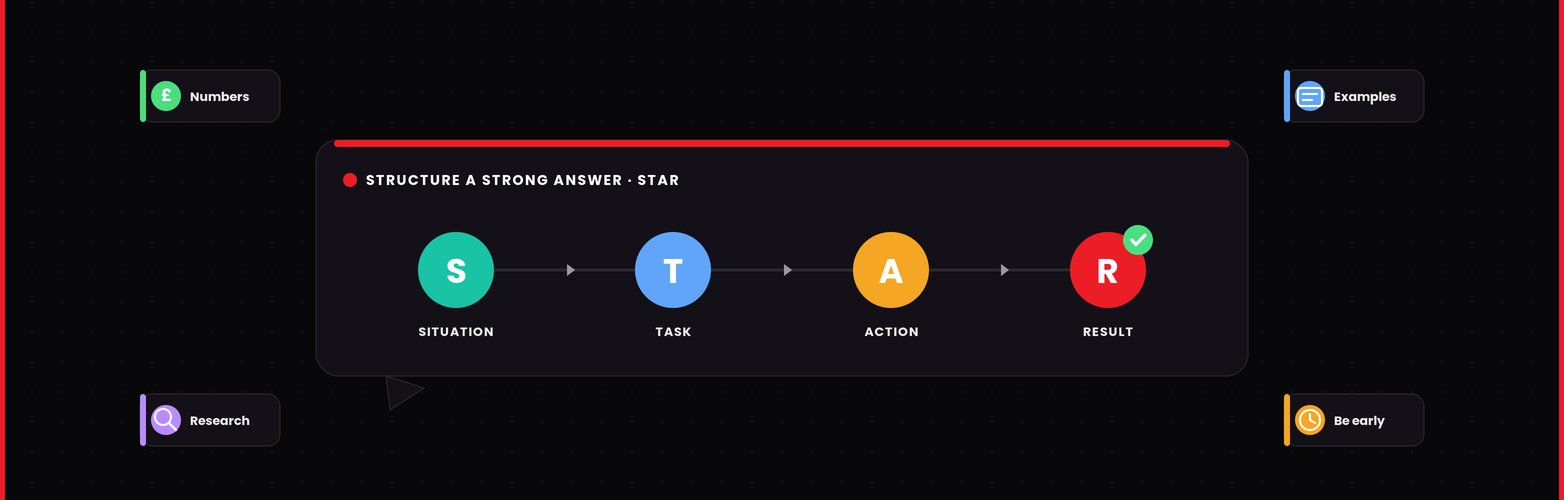
Use the STAR format, but keep it commercial. Situation, Task, Action, Result is a useful structure, and the National Careers Service interview advice covers the basics. Ecommerce interviewers care most about the commercial logic: explain what happened, and also why you decided as you did, what the data told you, and what changed as a result.
Be specific about scale and accountability. Revenue ranges, traffic volumes, team sizes and platform names make your experience real. Prepare answers for the scale of your last role, KPIs you owned versus monitored, decisions you made independently versus with sign-off, and the platforms and tools you used day to day.
Trading and commercial questions
Show the thinking, then the result. Lead with the problem you saw, the option you chose and the reasoning. Interviewers can tell the difference between a good call and good luck.
Be honest about what did not go to plan. Reframing a failure as a success reads as evasive. Pick a real example, explain what you expected, what went wrong, what the data showed, and above all what you changed because of it. When diagnosing an underperforming site, start with data, not redesigns.
Channel, platform and CRO questions
Be clear about what you actually did. These questions expose the gap between what people have managed and what they have only observed. State your level of access and involvement, and which decisions you influenced.
On CRO, show you understand testing. Weak answers describe a change and a result. Strong answers describe a hypothesis, a test setup, an audience, a result and what happened afterward. Find examples with a clear before and after.
Leadership, pressure and final-stage questions
Show ownership and collaboration. Better answers about working with other teams include a real moment of tension, competing priorities or a budget disagreement, and how you resolved it. If the role has management responsibility, have a clear underperformance example ready.
Handle pressure and final questions with structure. For moving fast with incomplete information, acknowledge the uncertainty and reflect on what you would change. For your first 30 days, lead with listening and checking before big changes. For “why this role?”, connect your background to something real about the business, and prepare four or five sharp questions of your own.
The Signal
What Makes a Strong Answer to eCommerce Interview Questions
Strong answers to eCommerce interview questions share the same qualities. They are specific. They show ownership. They connect numbers to action. They reflect good judgement. They sound grounded.
For anyone hiring for ecommerce manager jobs, focus on evidence, judgement, commercial awareness and ownership when you evaluate candidates. For anyone preparing for an eCommerce interview, those same qualities are what you need to demonstrate. They are the signals that hold up after the room empties.
If you are hiring at Head of eCommerce or director level, these questions still apply, but the search itself is usually run as a discreet, retained process. See our eCommerce executive search service for leadership roles above manager level, or talk to our team for help structuring an interview process for a live vacancy. Consider hiring an eCommerce marketing recruiter to build your growth team faster.
FAQ
Frequently Asked Questions
01What are the best eCommerce interview questions to ask a manager?
The most revealing eCommerce interview questions test ownership and judgement rather than fit: what size of business they have managed, which KPIs they owned, a trading decision that did not go to plan, and how they diagnose an underperforming site. Pair each with follow-up probes and a simple 1 to 3 scoring rubric.
02What questions should an eCommerce manager expect in an interview?
Expect questions across commercial awareness, trading judgement, channel and platform knowledge, operations, CRO, leadership, data and stakeholder handling, plus final-stage questions such as your first 30 days and why you want the role. Prepare specific, numbers-led examples for each area.
03How should candidates answer eCommerce interview questions?
Use the STAR format but keep it commercial: explain the situation, what you did, and crucially why, what the data showed and what changed. Be specific with numbers, honest about failures, and clear about what you owned versus influenced.
04What makes a strong answer in an eCommerce interview?
Strong answers are specific, show ownership, connect numbers to action, and reflect good judgement. They sound grounded rather than rehearsed, and they hold up when the interviewer probes with follow-up questions.
Sources and Further Reading
- National Careers Service: Interview Advice and the STAR Method
- Elite X Recruit: eCommerce Manager Jobs
- Elite X Recruit: The UK eCommerce Salary Guide
By the Elite X Recruit team, UK eCommerce recruitment specialists. REC members.
Stay ahead of the eCommerce talent market
UK eCommerce and digital hiring guides, salary data, and market intelligence from our specialist team.