eCommerce Jobs UK 2026 | Live Roles + Salary Data
Jobs & Careers
eCommerce Jobs UK 2026 | Live Roles + Salary Data
eCommerce jobs in the UK span the entire online-retail org chart, from trading and merchandising to performance marketing, SEO, CRM, development, data and leadership, with pay that runs from around £22,000 for an entry-level coordinator to £150,000 and above for a Head of eCommerce or CMO. It is one of the fastest-moving corners of the UK job market: online retail accounts for roughly a quarter of all UK sales, brands are hiring across every function, and the strongest candidates are rarely on the market for long.
This hub pulls it all together, so from starting out to moving up, you can see the roles on offer, what they pay, how the market is shifting, and exactly how to get hired. Browse the roles below, check the salary snapshot, and use the how-to-get-hired steps, then set up job alerts or send us your CV so we can match you to live eCommerce roles across the UK.
£22-175k
Salary span, entry to leadership
Salary span, entry to leadership
28%
Of UK retail now done online
Of UK retail now done online
Hybrid
The standard for most roles
The standard for most roles
10-25%
London pay premium
London pay premium
Quick Answer
eCommerce jobs in the UK cover trading and merchandising, performance marketing (paid media, SEO, CRM), development and technology, data and analytics, operations and logistics, and leadership. Entry-level roles start around £22,000 to £28,000, mid-level roles sit at £35,000 to £70,000, and senior and head-of roles reach £75,000 to £175,000, with London paying 10 to 25 per cent more. To get hired, build demonstrable, quantified results, target the right specialism, and work with a specialist recruiter.
Section 01
The UK eCommerce Jobs Market
eCommerce is one of the most active hiring markets in UK tech and retail. With online sales making up roughly 28 per cent of all UK retail, brands, agencies and marketplaces are all competing for the people who grow online revenue. For candidates, that means a wide choice of roles, real upward pressure on pay, and genuine mobility between functions, sectors and locations.
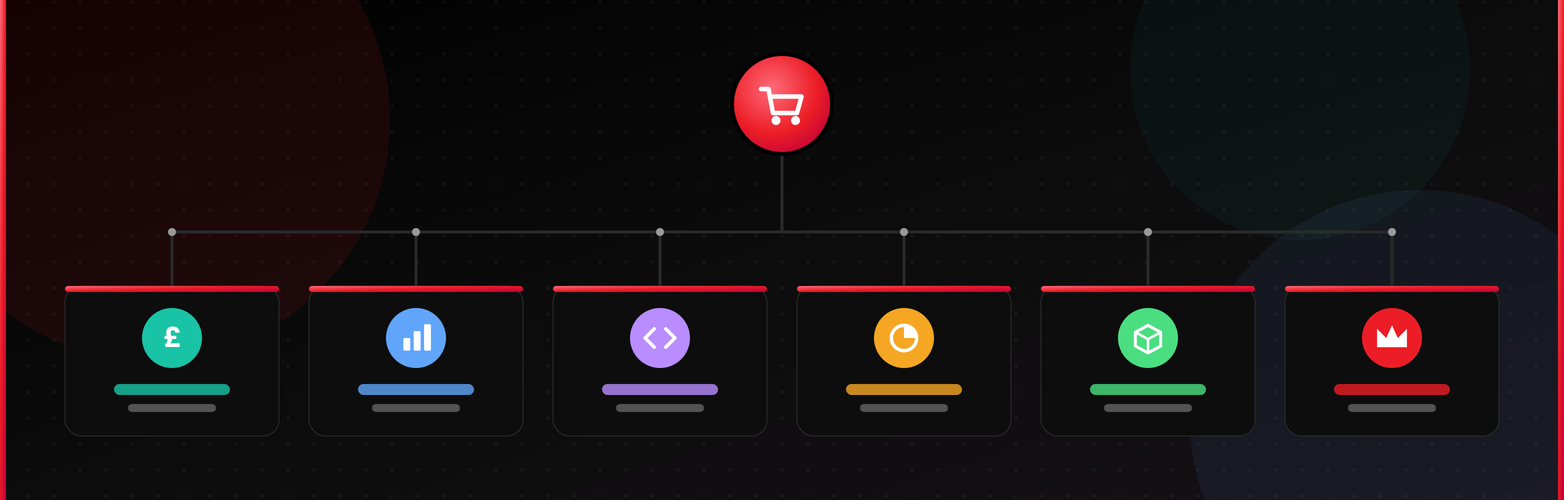
The org chart is broad. eCommerce jobs sit across six functions, and knowing where you fit helps you target the right roles and pitch yourself at the right level.
Section 02 · Browse Roles
Browse eCommerce Jobs by Role
Explore the most active eCommerce job categories below. Each guide covers what the role pays, what employers look for, and how to stand out.
Filter by platform & specialism
Hiring on a specific platform or for a growth role? Magento, Shopify, CRO, trading manager and growth manager jobs all sit within the wider eCommerce jobs market above. Filter the latest live vacancies on our jobs board.
Looking for a candidate career guide? Read How to get an eCommerce job in the UK and our eCommerce interview questions.
Section 03 · Pay Snapshot
eCommerce Salaries at a Glance
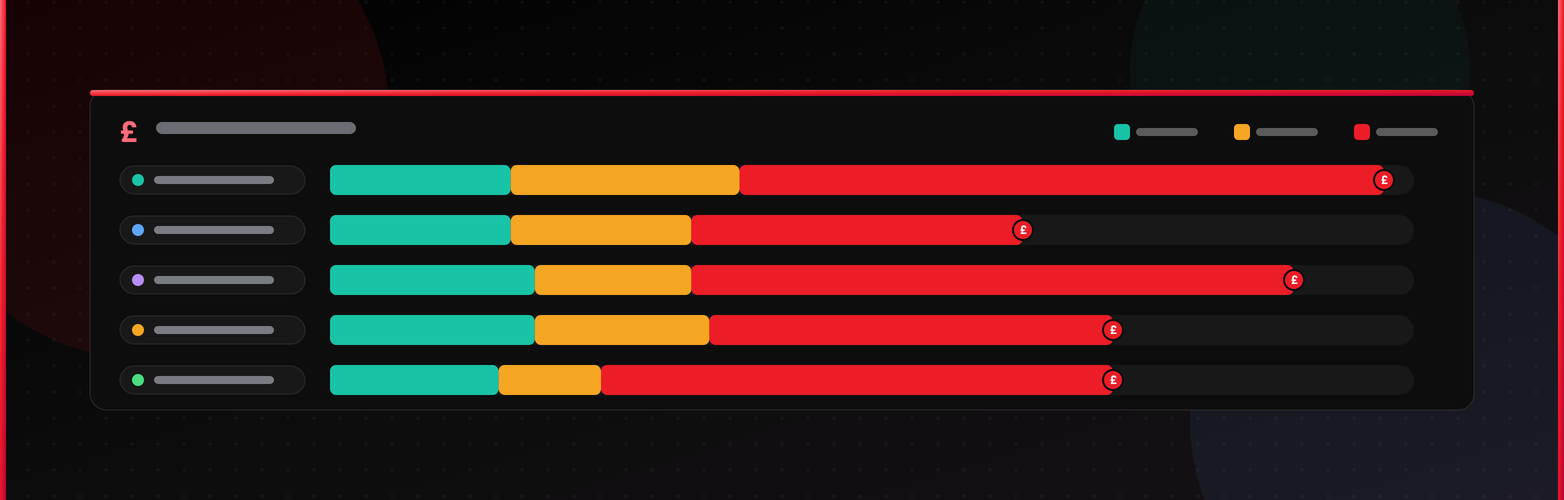
A quick snapshot of UK eCommerce pay by function. For the full role-by-role detail, see the UK eCommerce Salary Guide. London adds roughly 10 to 25 per cent to each band.
| Function | Entry | Mid | Senior / Head |
|---|---|---|---|
| Trading / Commercial | £22k to £38k | £40k to £68k | £75k to £175k |
| Marketing | £24k to £36k | £35k to £80k | £70k to £115k |
| Technology & Product | £28k to £40k | £45k to £75k | £80k to £160k |
| Data & Analytics | £28k to £40k | £42k to £85k | £90k to £130k |
| Operations & Logistics | £23.5k to £33k | £32k to £58k | £65k to £130k |
Section 04
How to Get Hired in eCommerce
1
Pick a specialism and go deep
The market rewards specialists. Choose a lane, paid media, SEO, CRM, trading, development or data, and build genuine depth rather than being a generalist who dabbles in everything.
2
Quantify your results
eCommerce is commercial. Lead your CV with numbers, revenue grown, conversion improved, ROAS lifted, cost reduced. Concrete outcomes beat a list of tools and tasks every time.
3
Show you know the tools
Name the stack you have used, GA4, Shopify, Klaviyo, Google Ads, Meta, Ahrefs, and what you did with it. Certifications and a portfolio or side project help you stand out, especially early-career.
4
Work with a specialist recruiter
Many of the best eCommerce roles never hit the job boards. A specialist eCommerce recruiter sees them first, knows what each employer really wants, and can position you at the right level and salary. Send us your CV to get matched.
Section 05
In-House, Agency, Remote or Hybrid
Most eCommerce careers involve a choice between working in-house for a single brand or at an agency across many clients. Agencies offer fast learning across sectors and clear progression at a higher pace; in-house roles offer deep ownership of one brand and closeness to commercial impact. Many strong careers start agency-side for breadth, then move in-house for depth.
On location, hybrid is now the standard for most eCommerce jobs, typically two to three days in the office, and a significant share of London roles are open to candidates across the UK. London pays roughly 10 to 25 per cent more, but remote and hybrid working has widened the commutable radius and the talent pool considerably. Decide what matters most to you, pace and breadth, depth and ownership, or flexibility, and target accordingly.
Building Your eCommerce Career in the UK
The UK eCommerce jobs market rewards people who specialise, quantify their impact and keep learning. Know where you fit across the org chart, target the roles and salary bands that match your level, and use the guides above to sharpen your search. From your first role to a step up into leadership, this is one of the best markets in the UK to build a career, and our team is here to help. Send us your CV or explore the UK eCommerce Salary Guide to benchmark your worth.
FAQ
Frequently Asked Questions
01What jobs are there in eCommerce?
eCommerce jobs span six functions: trading and commercial (merchandising, pricing, promotions, online P&L), marketing (paid media, SEO, CRM, social, performance), technology and product (developers, product managers, solutions architects), data and analytics, operations and logistics (fulfilment, inventory, customer experience, supply chain), and leadership (Head of eCommerce, Director, VP and C-suite). Most brands hire across several of these at once.
02How much do eCommerce jobs pay in the UK?
UK eCommerce jobs pay from around £22,000 to £28,000 at entry level, £35,000 to £80,000 at mid-level, and £70,000 to £175,000 and above for senior and head-of roles, depending on function. Marketing, technology and data specialisms command the highest premiums. London pays roughly 10 to 25 per cent above the national average. See the UK eCommerce Salary Guide for role-by-role detail.
03How do I get a job in eCommerce with no experience?
Start by building demonstrable skill in one specialism. Learn the core tools (GA4, Shopify, Google Ads, Meta, Klaviyo or Ahrefs depending on your lane), complete recognised certifications, and run a small project of your own or for a local business to get hands-on results. Apply for executive, coordinator or graduate roles, which are the usual entry points, and lead with any real outcomes you can show.
04Which eCommerce jobs are most in demand in the UK?
Demand is strongest for performance marketing (paid media and CRM), eCommerce developers and product managers, data and analytics specialists, and eCommerce leadership. Roles combining commercial understanding with technical or platform depth, and those tied directly to revenue or retention, are the hardest to fill and command the biggest premiums.
05Are eCommerce jobs remote or hybrid?
Hybrid working, typically two to three days in the office, is now the standard for most UK eCommerce jobs, and many roles are fully remote, especially in performance marketing, CRM, SEO and development. A significant share of London roles are open to candidates across the UK, which has widened the market. Check each employer’s policy, as it varies.
06How do I find eCommerce jobs that are not advertised?
Many of the best eCommerce roles are filled through specialist recruiters before they ever reach the job boards. Register with a specialist eCommerce recruitment agency, set up job alerts, and keep your profile current. A specialist like Elite X Recruit sees roles first and can put you forward for opportunities you would not find advertised.
07What qualifications do I need for eCommerce jobs?
Most eCommerce jobs value demonstrable skill and results over formal qualifications. A degree helps for some graduate schemes, but recognised certifications (Google Ads, GA4, Shopify, Klaviyo or a CIM qualification) plus a portfolio of real results carry more weight for the majority of roles. Technical and data roles may ask for a relevant degree or proven equivalent experience.
08Which eCommerce jobs pay the most?
Leadership roles (Head of eCommerce, Director, VP and C-suite) pay the most, reaching £120,000 to £175,000 and above. Among specialists, technology, data and performance marketing command the highest premiums, with senior developers, solutions architects and data leads well into six figures. London adds roughly 10 to 25 per cent across the board.
09How do I move into eCommerce from another industry?
Lead with transferable skills: commercial, analytical, marketing or operational experience all translate. Learn the core eCommerce tools and language, reframe your past results in online-retail terms, and target a specialism rather than applying broadly. A specialist recruiter can help position a career-changer for the roles where your background is genuinely an advantage.
10What is the typical career path in eCommerce?
A common path runs from executive or coordinator, to manager, to senior manager or head of function, then to Director and beyond. Many people specialise in paid media, SEO, CRM, trading or development and progress within that lane, while others broaden into general eCommerce management. Moving between brands, or agency to in-house, is normal and often speeds progression.
11Do eCommerce jobs require coding skills?
Most do not. Trading, marketing, CRM, merchandising and operations roles need no coding, though comfort with analytics and platforms like Shopify helps. Coding is essential only for developer and some technical SEO or data roles. For everything else, commercial judgement, data literacy and channel expertise carry far greater weight than coding.
12Is it better to start in-house or at an agency?
Agencies give fast, broad exposure across many brands and clear early progression, which suits people who want to learn quickly. In-house roles offer deeper ownership of one brand and closer commercial impact. Many strong careers start agency-side for breadth, then move in-house for depth. Neither is wrong; it depends on how you like to work.
Sources and Further Reading
- Office for National Statistics (ONS): UK Retail and eCommerce Statistics
- Elite X Recruit: The UK eCommerce Salary Guide
- Elite X Recruit: How to Get an eCommerce Job in the UK
- Elite X Recruit: eCommerce Interview Questions
By the Elite X Recruit team, UK eCommerce recruitment specialists. REC members.
Stay ahead of the eCommerce talent market
UK eCommerce and digital hiring guides, salary data, and market intelligence from our specialist team.